Why ERP Integration Is Essential for Wholesale eCommerce
How real-time synchronisation reduces duplicate data entry, improves data accuracy and helps wholesalers connect online ordering directly with Microsoft Dynamics NAV or Dynamics 365 Business Central.
What this guide covers
- check_circleWhy disconnected website management creates operational risk
- check_circleHow real-time synchronisation reduces duplicate data entry
- check_circleWhere ERP-connected product, customer and order flows matter most
- check_circleHow Orca Commerce extends Microsoft Dynamics NAV and Business Central
- check_circleHow screenshots can prove the integration story
ERP integration is not a technical extra. It is the foundation of reliable wholesale eCommerce.
Many businesses launch an eCommerce website to make ordering easier for customers. But if the website is separate from the ERP system, the team quickly starts maintaining the same information twice.
Products are updated in one system. Prices are changed somewhere else. Stock is checked manually. Orders are copied into the ERP after checkout. Customer information becomes inconsistent.
For wholesale businesses, the website is only as useful as the data behind it. If customers see outdated prices, unavailable stock or incorrect order information, the buying experience loses trust.
Why ERP integration matters in B2B commerce
Your ERP already holds the information your business depends on every day: products, inventory, customer accounts, prices, purchase history, sales orders, VAT rules and financial data.
Your eCommerce platform should not become a second place to manage all of that information. It should extend the ERP online, allowing customers to place orders while your team continues working from the system they already trust.
Product accuracy
Product descriptions, units, categories and web fields can be managed from the ERP instead of duplicated into a separate website panel.
Pricing consistency
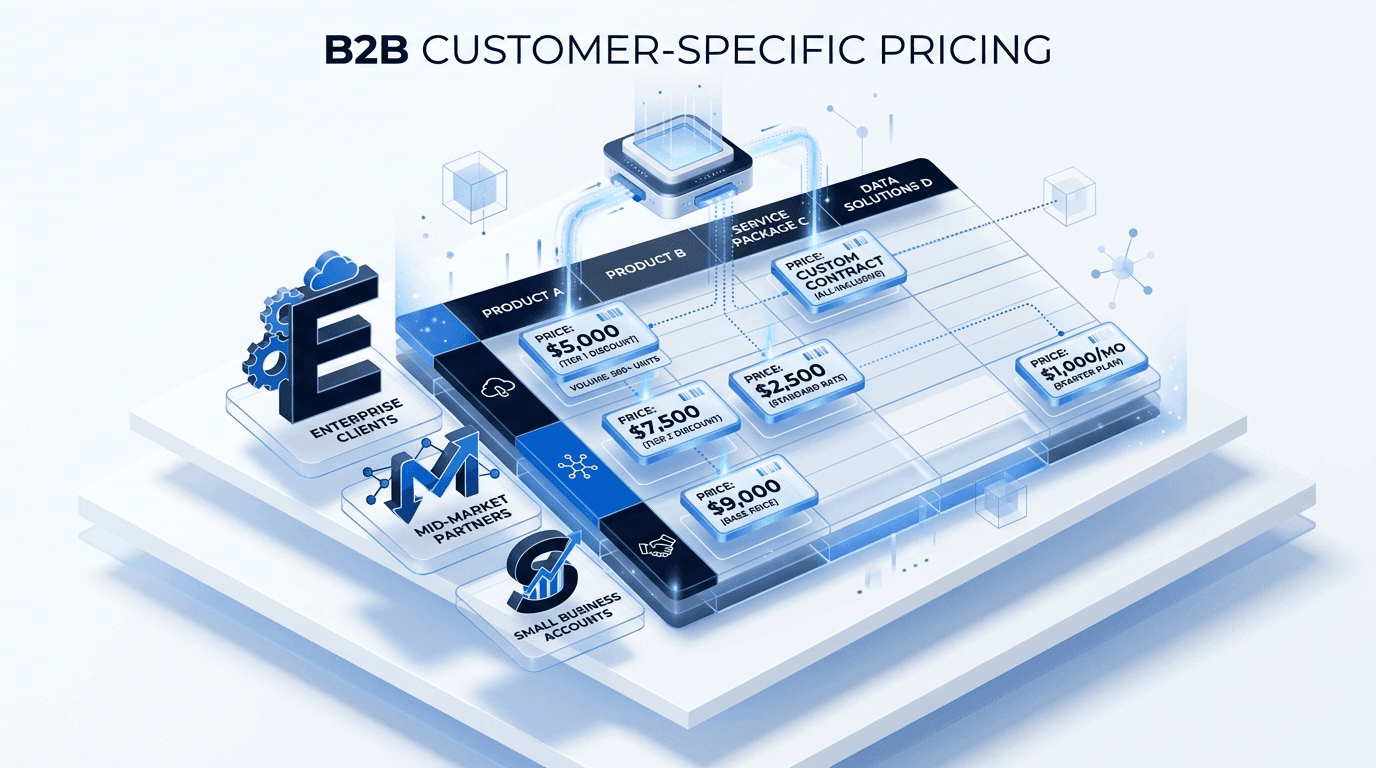
Customer price groups, sales pricing, contract pricing and web offers stay aligned with the commercial rules already managed in Microsoft Dynamics.
Order flow
Online orders can be created as ERP sales orders or controlled through a draft order process before conversion.
What goes wrong when the website is disconnected from the ERP?
When website data is managed separately from the ERP, small updates become ongoing operational tasks. A product change, price update or delivery rule may need to be repeated manually, which increases the chance that one system becomes out of date.
Without ERP integration
- Duplicate product updates
- Manual price changes
- Inconsistent stock information
- Orders re-entered by staff
- Higher risk of mistakes
- Slower customer service
With ERP integration
- One source of truth
- ERP-managed pricing
- Real-time stock and product updates
- Orders created inside Microsoft Dynamics
- Improved operational accuracy
- Faster order processing
How Orca Commerce connects the website with Microsoft Dynamics
Orca Commerce is designed to work from the ERP outward. The examples below show how web administration, product records, customer registration and operational delivery rules can be controlled from Microsoft Dynamics rather than maintained in a separate eCommerce back office.
Example screenshots shown using Microsoft Dynamics NAV. Same principles apply to Business Central.
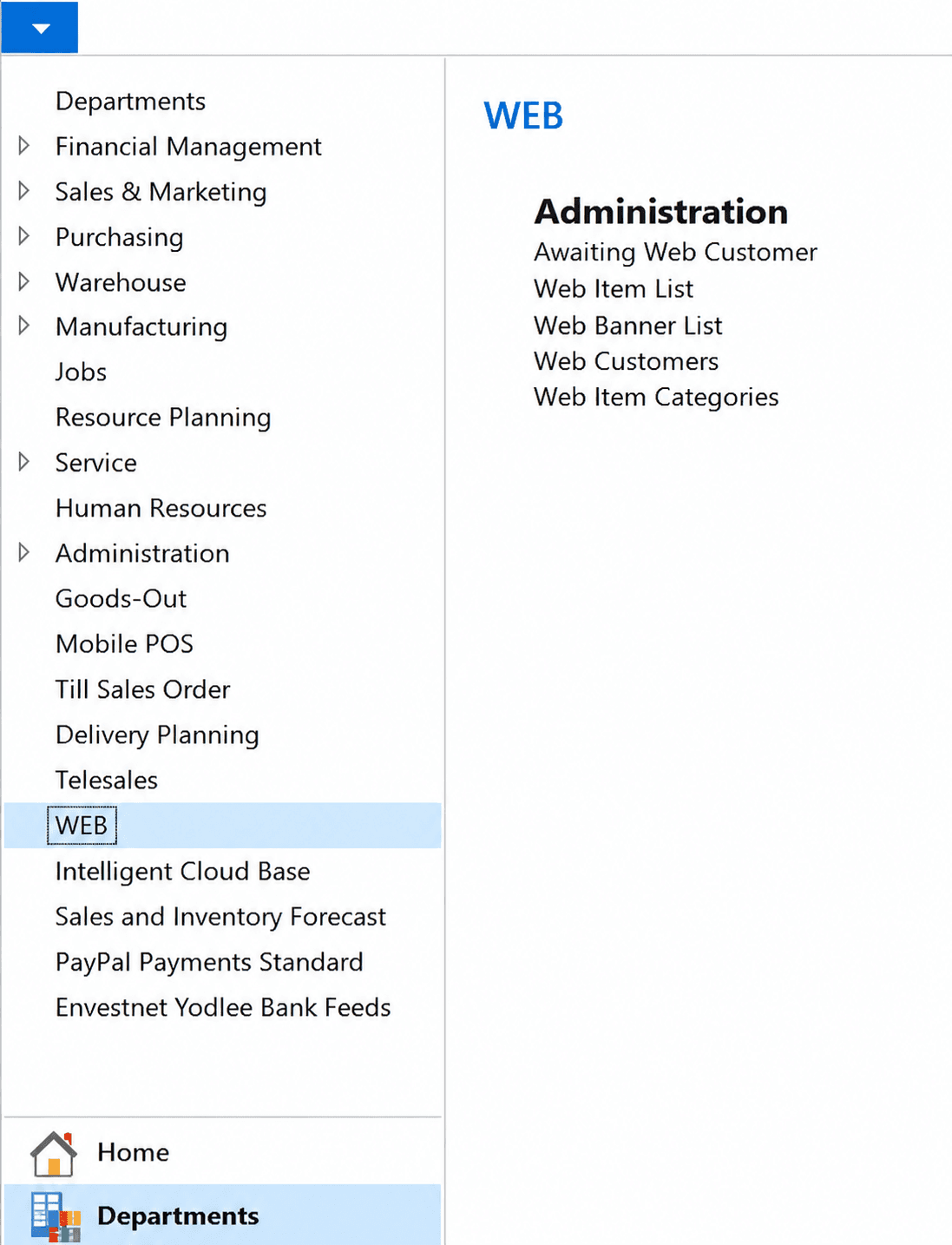
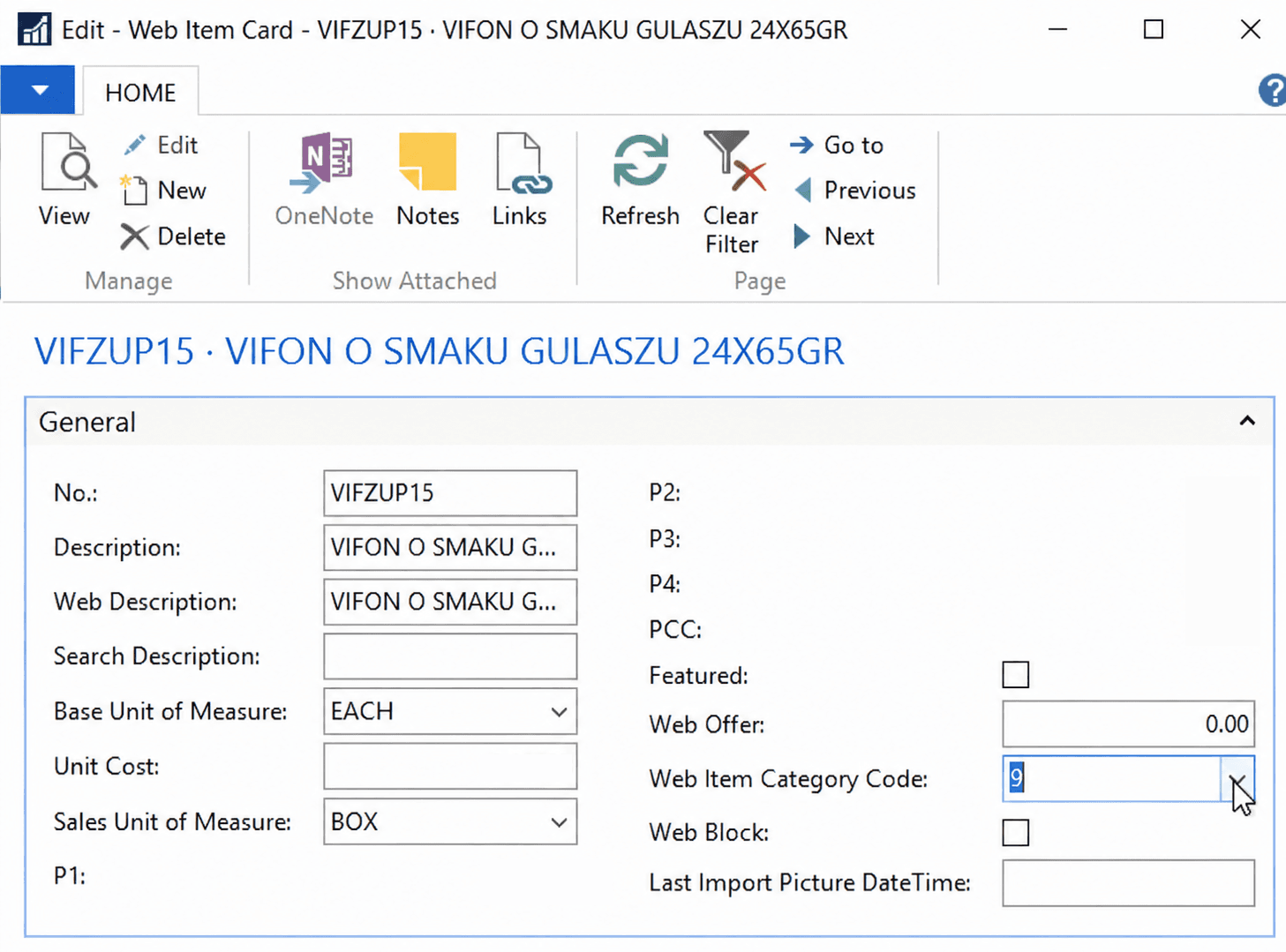
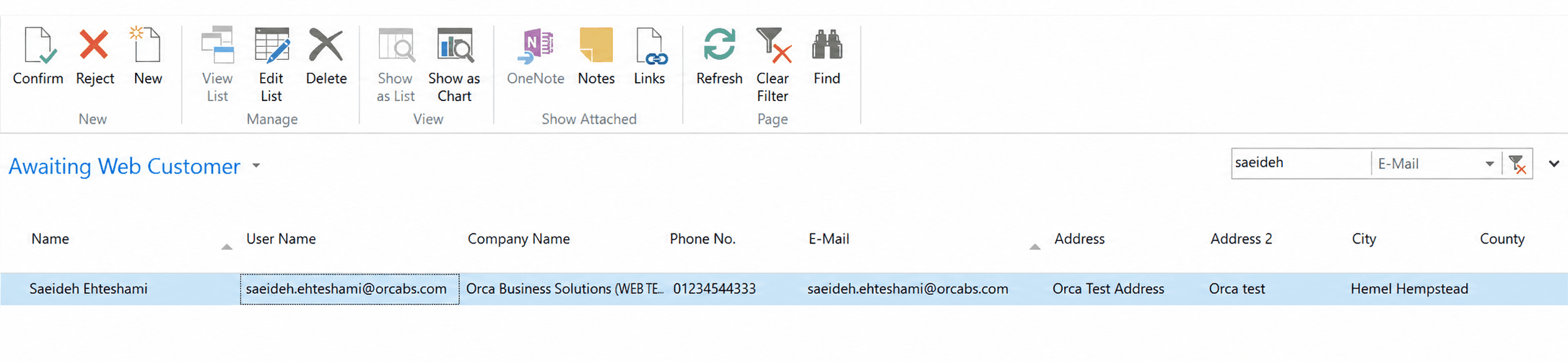
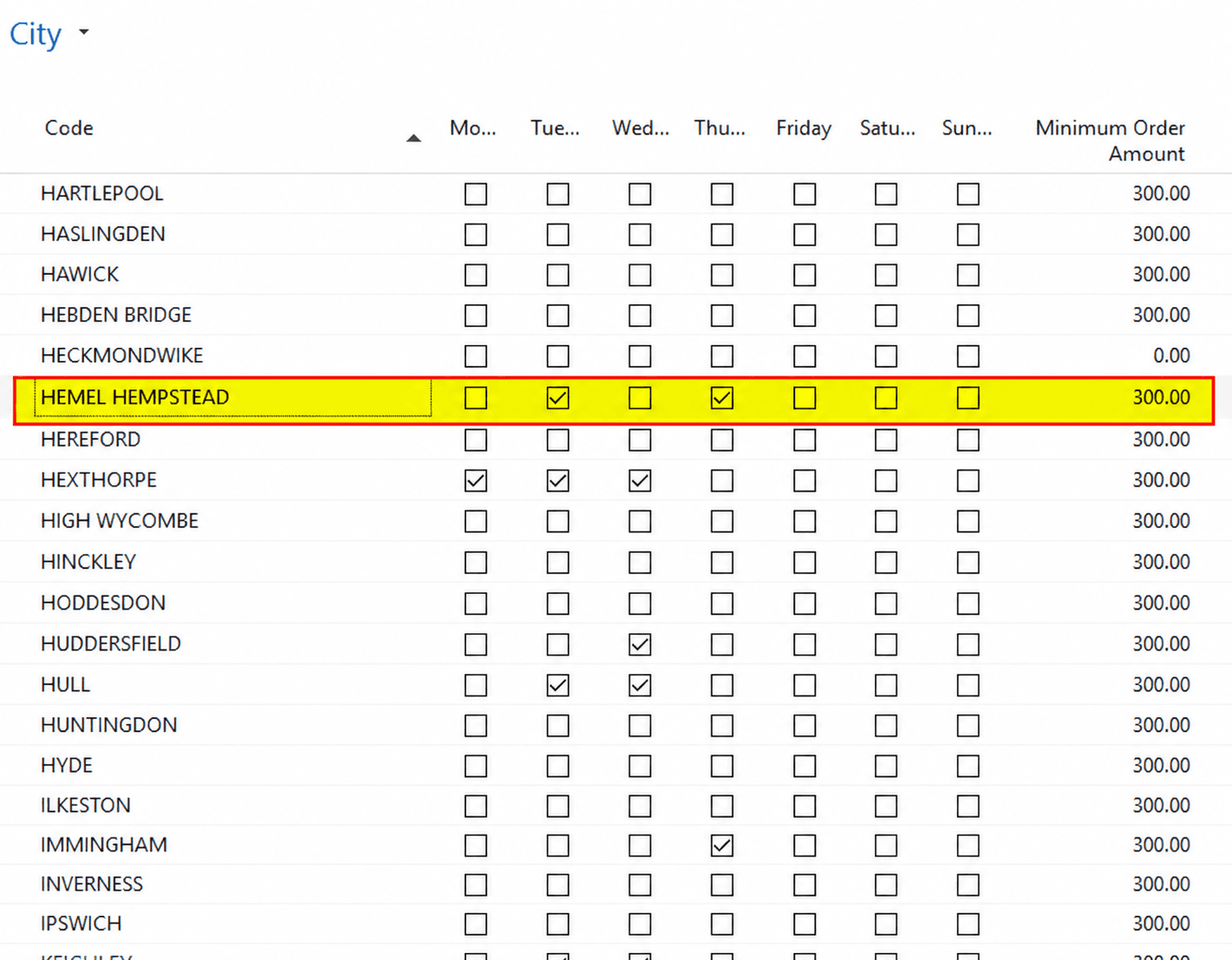
How this improves the customer experience
ERP integration is not only about internal efficiency. It directly affects what customers experience when they order online.
Customers see accurate information
When product, pricing and stock data come from the ERP, customers are less likely to see outdated or conflicting information.
Sales teams spend less time correcting errors
With fewer manual updates, teams can spend more time helping customers and less time reconciling website orders.
Operations follow existing rules
Delivery, collection, minimum order amounts and customer approval processes can follow the operational logic already used by the business.
Benefits of ERP-integrated eCommerce
Explore more eCommerce guides
Frequently Asked Questions
Ready to connect wholesale eCommerce with your ERP?
Orca Commerce helps wholesalers and distributors connect online ordering with Microsoft Dynamics, product data, pricing, customer accounts, delivery rules and sales orders.