Managing VAT and International Tax in B2B eCommerce
What wholesalers need to consider when selling across different countries, including VAT treatment, customer records, invoices, payment terms and international compliance requirements.
What this guide covers
- check_circleVAT treatment across different countries
- check_circleWhy customer records matter for international trade
- check_circleHow invoice accuracy supports finance and compliance
- check_circleWhat to review before entering new markets
- check_circleHow Orca Commerce supports international wholesale requirements
What wholesalers need to consider when selling across different countries
Expanding into international markets creates exciting opportunities for wholesalers and manufacturers.
New customers, larger markets and increased sales all sound attractive. However, selling internationally also introduces new responsibilities.
Different countries may have different VAT rules, invoicing requirements, customer classifications and reporting obligations. As your business grows, managing these requirements accurately becomes just as important as fulfilling orders on time.
The challenge is not simply calculating tax. It is ensuring that customer records, invoices, pricing and tax information all reflect the correct business rules for each market you serve.
Every country has different requirements
When selling internationally, it is common for wholesalers to work with customers across several countries, each with distinct legal frameworks.
VAT status
Different customers may require different VAT treatments depending on location, business status and applicable regulations.
Invoice requirements
Invoice details, tax calculations, currencies and customer information need to be accurate from the start.
Customer classification
Business customers, consumers, distributors and retailers may all require different handling.
Delivery location
Delivery regions, addresses and export requirements can affect how orders are processed.
VAT is only one part of compliance
Many businesses focus on VAT first. While VAT is critical, international compliance involves a broader operational scope.
Customer tax status
Businesses need to understand whether the buyer is a registered business, a consumer, a distributor or another customer type.
Invoice and export information
Invoice formats, delivery documentation, export requirements and record keeping all need careful control.
Commercial rules
Payment terms, currencies, delivery regions and country-specific regulations should be reviewed before trading internationally.
Why customer records are so important
Accurate customer information sits at the centre of every international transaction, driving automated logic for tax and shipping.
step_forward Before processing an order
- check Which country is the customer trading from?
- check Is the customer a registered business?
- check Which VAT treatment applies?
fact_check Before creating the invoice
- check Which invoice details are required?
- check Which delivery address should be used?
- check Which payment terms have been agreed?
When customer records are accurate, the rest of the sales process becomes much easier to manage.
Invoices need to reflect the correct information
Customer details
Invoices should reflect the right business name, address, tax status and delivery information.
VAT and currency
Tax calculations, currency and VAT treatment need to be consistent with the order and customer record.
Payment terms
Agreed terms should appear correctly so finance teams can reduce manual corrections and delays.
Preparing for international growth
Businesses planning to expand internationally should review the rules, customer information and operational processes that may change from one market to another.
account_balance Tax and finance readiness
- check Different VAT treatments for each country or customer type
- check Multiple currencies and country-specific pricing expectations
- check Invoice requirements that reflect the correct tax treatment
- check Ongoing regulatory changes that may affect future orders
local_shipping Customer and operations readiness
- check International customer accounts with accurate business details
- check Commercial agreements that vary by customer or market
- check Delivery regions, restrictions and fulfilment rules
- check Export documentation and order information needed by the business
Preparing these processes before entering new markets can save significant time later and reduce the risk of manual corrections, invoice delays and inconsistent customer information.
How Orca Commerce supports international wholesale businesses
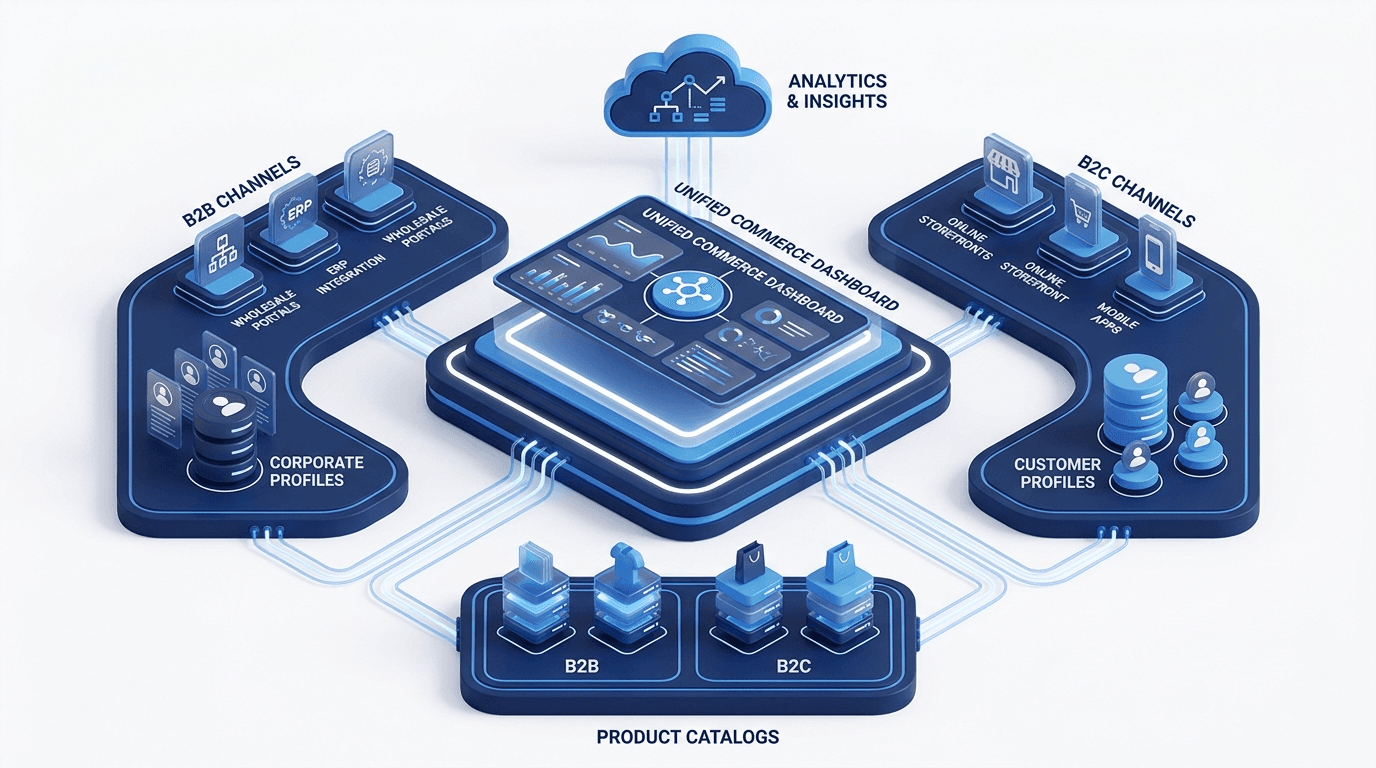
Orca Commerce is built to work alongside your existing systems, rather than operating as a separate layer.
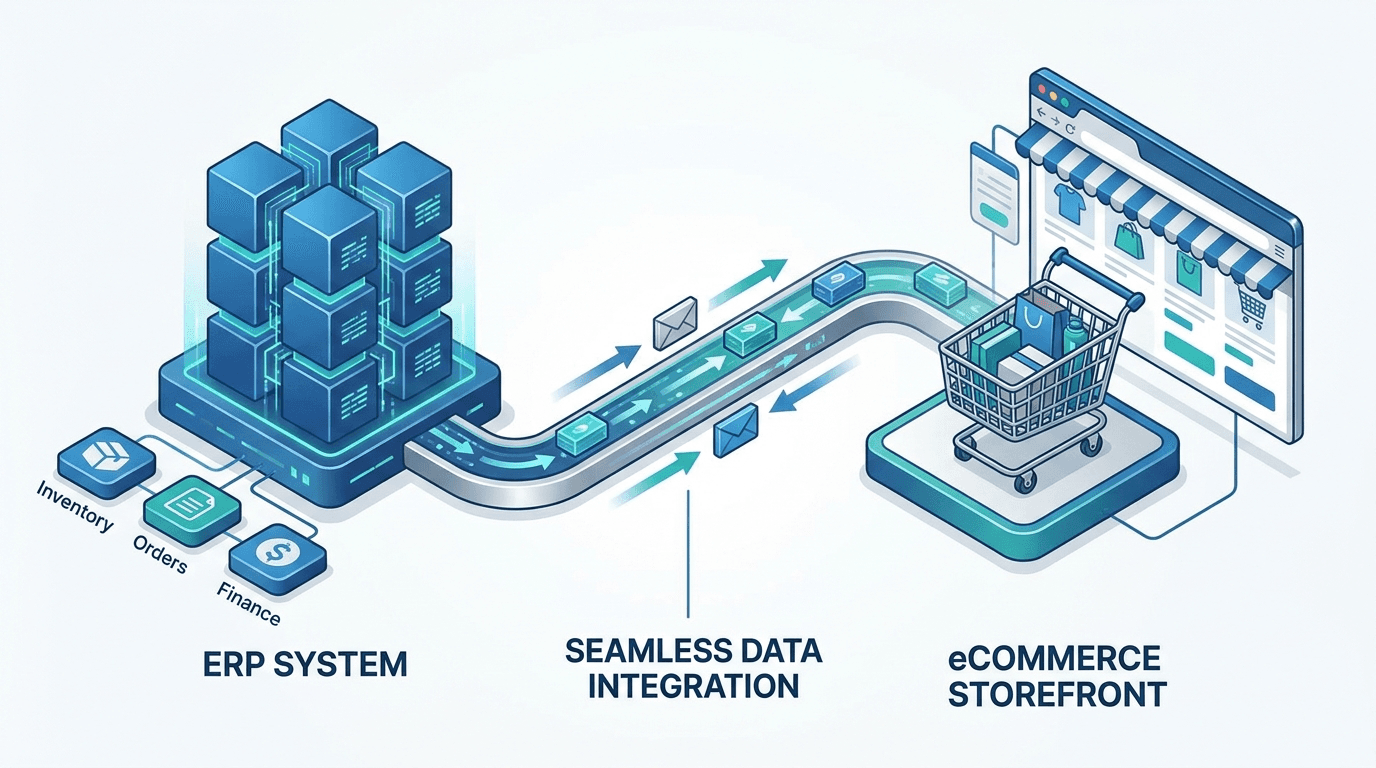
Instead of duplicating processes within the website, it extends the capabilities of your ERP into the online customer experience. If your ERP already manages key business functions such as customer pricing, VAT handling, invoice generation, delivery rules or account management, those same processes can be reflected directly within the customer portal.
This approach helps ensure consistency across every channel, with customers accessing accurate information that aligns with how your business already operates.
Every wholesale operation has its own requirements. Orca Commerce can be tailored to reflect the specific processes, rules and workflows that matter most to you.
Rather than forcing your business to adapt to a fixed structure, Orca Commerce adapts to your existing setup, helping you maintain a single source of truth while delivering a modern and reliable online experience.
Best practices
- check Review VAT requirements before entering a new market.
- check Keep customer information accurate and up to date.
- check Ensure invoices reflect the correct tax treatment.
- check Regularly review country-specific compliance requirements.
- check Keep commercial rules consistent across every sales channel.
- check Work with systems that can grow as international operations become more complex.
Explore more eCommerce guides
Frequently asked questions
Ready to support international B2B eCommerce?
Orca Commerce helps wholesalers connect customer records, pricing, invoices, VAT handling and online ordering in a way that reflects how the business already operates.